| Article by Sofia F. |
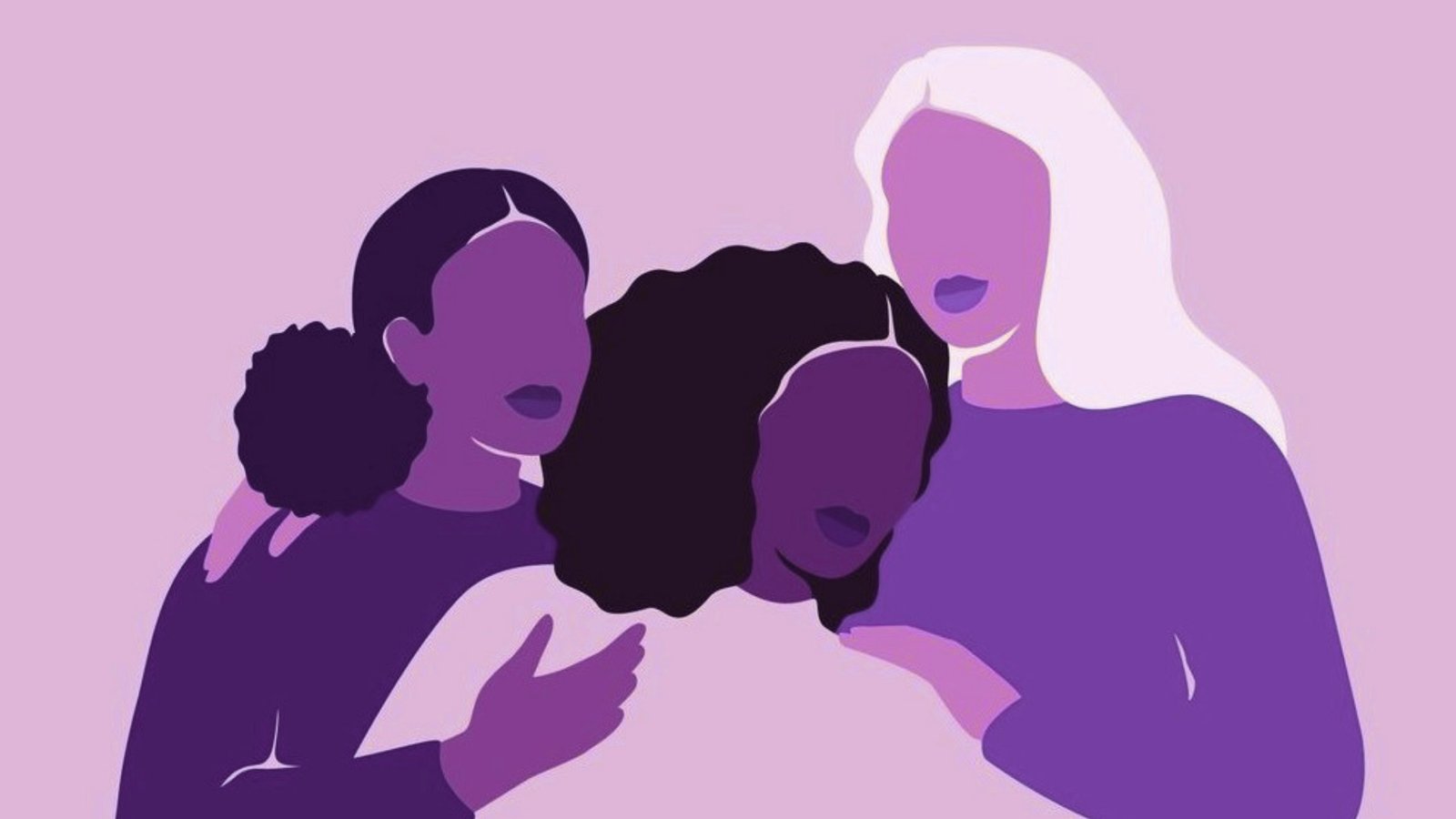
Purple profile pictures. #GBVShutdown. In November 2025, South African women took to the streets, protesting gender-based violence (GBV) and femicide. What began online as a hashtag soon became a nationwide movement, turning South Africa purple.
In late November 2025, a wave of purple swept South African social media, but what does it mean? The digital protest was not just another meaningless trend circulating Instagram and TikTok. It was a movement that sparked in South Africa in response to the major crisis at hand: gender based violence and femicide.
Everyday, 15 women in South Africa are murdered due to gender-based violence. Everyday, women in South Africa live in paranoia. Everyday is a struggle for women in South Africa. The women of South Africa are done being bystanders. South Africa and the entire world has united against this issue that has no longer become a problem for “women only”, but instead has become a societal crisis, as declared by the South African government, after decades of being under-reported and overlooked.
Gender Based Violence and Femicide (GBVF) has persisted in South Africa. GBVF takes many forms: assault, sexual violence, economic abuse, emotional manipulation, and in severe cases, murder. The story of Karabo Mokoena (college student), who fell victim to a brutal murder by her boyfriend, sparked the online movement and offline protests. A case whose devastation was not caused by violence alone, but the offender being someone she loved and trusted, which is the harsh and truly horrible reality for many women in South Africa.
The story of Karabo Mokoena emphasises society’s failure and neglect towards really looking into GBVF, making her a symbol of intimate partner violence and the urgent need for accountability and cultural change.
In response to her murder, hundreds of women gathered before the G20 summit wearing black, protesting for and mourning the women who have fallen victim to gender based violence. They staged a peaceful 15-minute lie down protest, symbolising the 15 lives lost daily.
The G20’s Women Shutdown was organised by the NGO Women for Change, urging women to “refrain from all paid and unpaid work in workplaces, universities and homes, and to spend no money for the entire day to demonstrate the economic and social impact of their absence,” to emphasise how women, especially today, carry a huge weight of South Africa’s economy and social infrastructure. The protests included a petition that gained over one million signatures calling on the government to declare gender-based violence and femicide (GBVF) a national disaster.
While there are laws in South Africa made to protect women, enforcement is weak and inconsistent. Prosecution is slow, police fail to act and the guilty are often left uncharged leading to many survivors never seeing justice.
South Africa declaring GBVF a national crisis is a huge step in the short term, but the most pressing question remains. Will society continue to undermine and overlook gender inequality? Can the history of neglect be resolved to ensure women are protected and safe?
There may not be a way to fix generational issues in a matter of weeks, but progress is important. The purple movement around social media has shown the power of social media activism, with viral posts, hashtags and sounds trending all over the world amplifying the voices that were once unheard and ignored.
Despite this, much of the support towards these women exist only online, with action being limited to likes, shares, comments and purple profile pictures. For online campaigns to truly be effective real-life action must follow. Digital activism has limited effect without people engaging actively in protests or volunteering to help.
The purple movement has proven to the world that together, we can demand attention to a crisis that has been long overlooked. So those purple profile pictures? They’re part of a movement. But the movement is incomplete without real world impact.
We cannot fight GBVF without action, accountability and a cultural shift that absolutely refuses gender violence against women. It is finally time for change. Many of us cannot go into the streets and protest or sign petitions, but that does not mean we should do nothing: liking someone’s story is simply not enough.
We need to talk about these issues that are so deeply rooted into society, providing support to those women who had none, even if it means bringing up the topic in a conversation. South Africa’s women have shown that they are no longer willing to be bystanders, and we must not be either.
The challenge now is clear: we must channel our outrage into meaningful action online and beyond to create lasting change. Every conversation, every decision, every act of courage chips away at a system that has been allowed to stand for far too long. Silence protects the status quo — action, no matter how small, begins to dismantle it.