
| Article by Hanni S. |
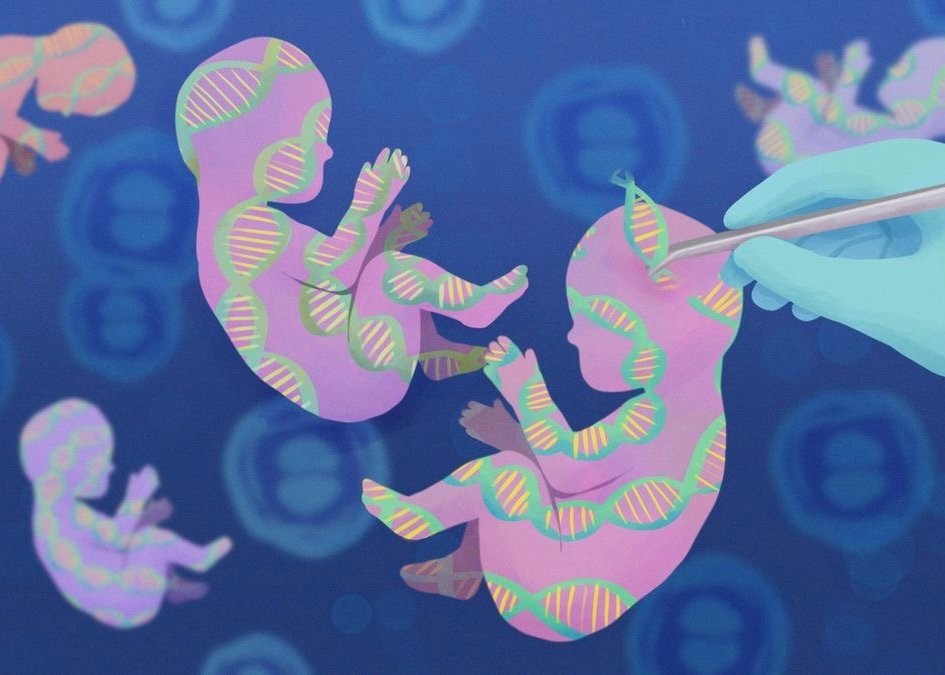
Embryo selection has moved from the margins of reproductive medicine to the center of a global debate. Originally developed to prevent hereditary disease, the technology is now used beyond the medical sphere, with some parents selecting embryos for physical traits such as appearance. This raises a difficult question: where does preventing disease end and designing a child begin?
Over the past few decades, reproductive medicine has shifted from simple chromosome counting to remarkably precise genomic mapping. Beyond spotting single-gene disorders, newer tools like polygenic risk scoring allow doctors to evaluate complex genetic profiles. This allows clinicians to estimate an embryo’s lifetime risk of multifactorial conditions such as coronary artery disease, type 2 diabetes, or schizophrenia.
At the same time, tools like CRISPR-Cas9 gene editing are opening doors to direct molecular alterations, moving beyond simply choosing between existing embryos to actively correcting mutations, such as fixing the CCR5 gene or beta-thalassemia variants, before implantation. Researchers are also refining non-invasive techniques (niPGT) that analyze cell-free DNA floating in culture media, which could soon replace invasive blastocyst biopsies.
For families facing severe genetic risks, these selection methods offer life-changing biological benefits. Couples who are carriers for autosomal recessive or dominant conditions such as cystic fibrosis, Huntington’s disease, or sickle cell anemia can use Preimplantation Genetic Testing for Monogenic Disorders (PGT-M) to ensure their children do not inherit the condition.
Screening for chromosomally healthy (euploid) embryos using PGT-A eliminates extra or missing chromosomes, significantly boosting IVF implantation success rates while reducing miscarriages caused by conditions like Trisomy 21 (Down Syndrome). Looking further into the future, targeted genetic decisions strictly aimed at disease prevention could help optimize human health in broader ways. From selecting for enhanced cardiac efficiency to superior metabolic resilience against environmental stressors, technology today has opened doors to limitless possibilities in the future.
But should we endorse them all?
While medical applications present a clear moral imperative to alleviate suffering, going beyond medical necessity opens up deep ethical dilemmas about human dignity and how society values life. There is an emerging trend of parents selecting embryos based on physical traits such as height, eye color, or athletic potential, a practice informally dubbed “best baby selection.” Critics argue that it risks turning children into customized consumer products rather than individuals accepted unconditionally.
Critics of “baby selection” raise ethical concerns about the practice itself. Preimplantation testing routinely generates multiple embryos per cycle, leaving unselected or non-viable embryos to be stored indefinitely, donated to research, or discarded, a practice that conflicts with many ethical and religious beliefs. On a cultural level, non-medical trait selection could slowly erode societal empathy, fostering a world far less accommodating to individuals living with natural human variations or physical disabilities.
Because advanced fertility technologies are expensive, their unguided expansion threatens to deepen existing social divides in a very permanent way. A single IVF cycle paired with full PGT screening in the US routinely costs anywhere from $15,000 to over $25,000. The high cost places these services entirely out of reach for working class families. If only affluent households can afford such technology, financial divides could eventually become entrenched as lasting biological differences across generations.
As embryo selection begins to cross the line from preventive healthcare into cosmetic genetic engineering, it raises important moral and ethical questions. Once driven by the need to treat disease, the technology is now at the center of debates over the “ideal human.” As technology continues to develop, humanity must answer a critical question: just because we can, should we?